Home » What’s KURAPIA?
KURAPIA, an Innovative Groundcover
Phyla nodiflora L.
KURAPIA S1
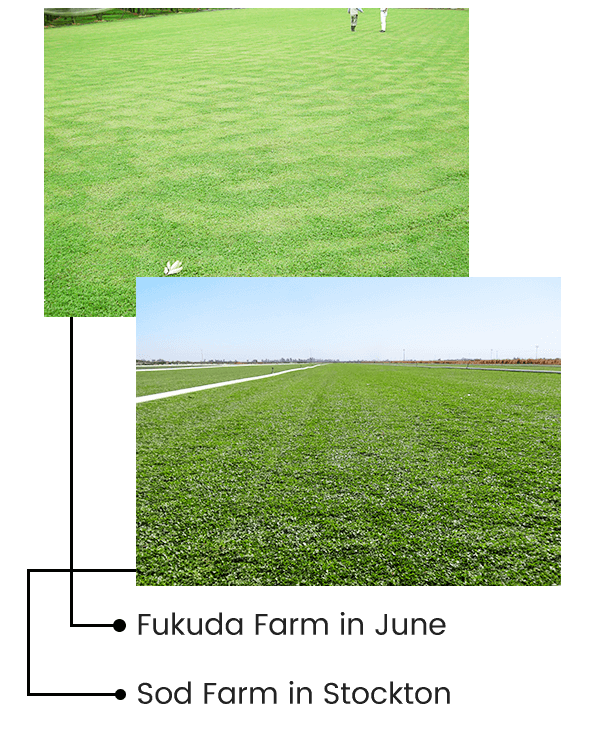
Kurapia is a newly developed, highly versatile groundcover. Once established, it requires little maintenance and needs less water than cool season turfgrasses.
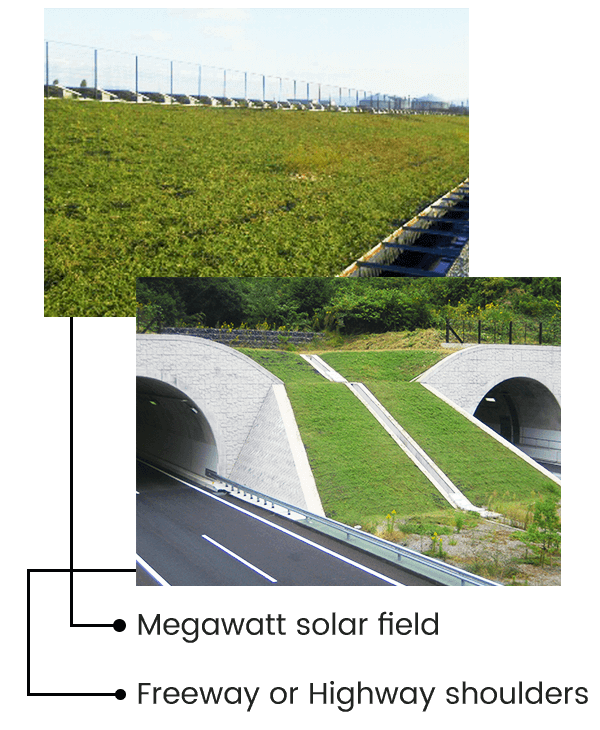
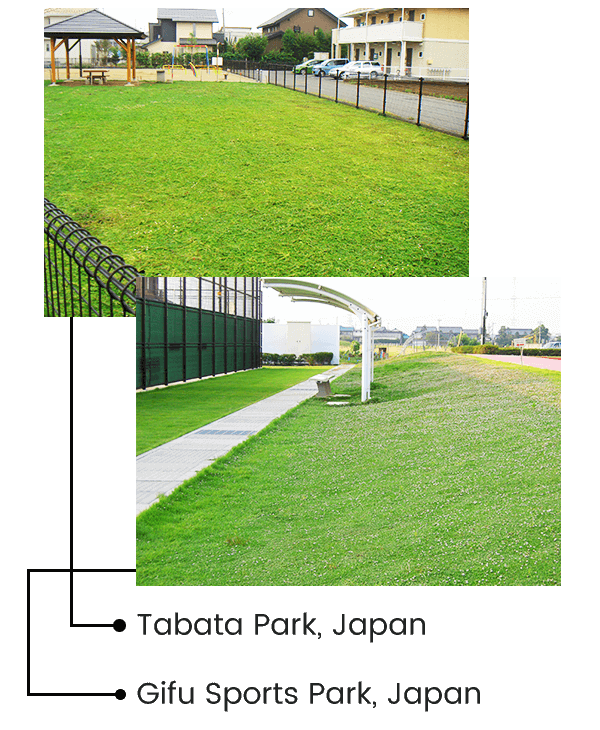
Kurapia’s sturdy structure makes it ideal for many uses. Kurapia works well to cover highway and freeway shoulders, rooftops, public utility areas, commercial properties, and solar farm landscapes. Kurapia can tolerate light foot traffic, but is not recommended for heavy foot traffic areas like playgrounds or sports fields.
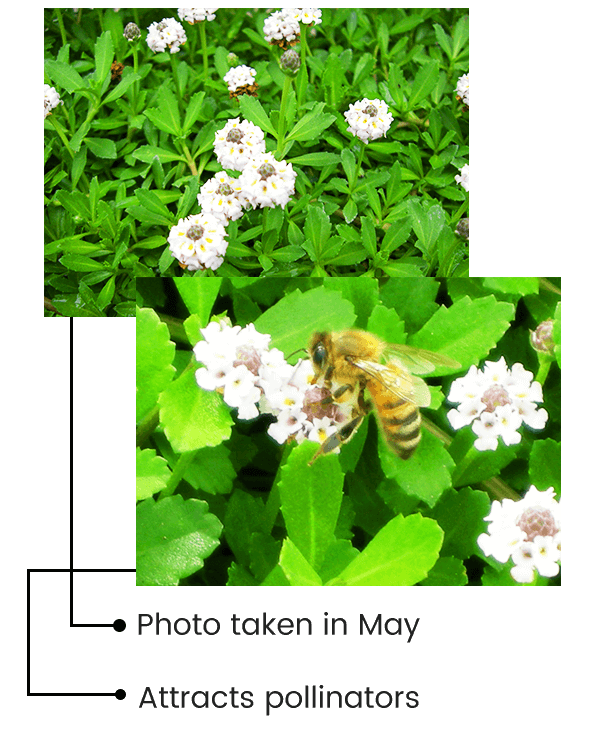
Kurapia grows close to the ground and rarely exceeds one inch height. Most of the year the plant is covered in small, white flowers that are sterile, and as a result, Kurapia is unable to reproduce itself by seed.
Kurapia was bred from the native plant Phyla nodiflora found in the coastal regions of Japan and is found to be highly tolerant of saline, acidic and basic soils. Kurapia has already revolutionized landscape management in Japan, and is ready to provide solutions for landscape management and engineering projects around the world.
Download e-BrochureBenefits
Low water use
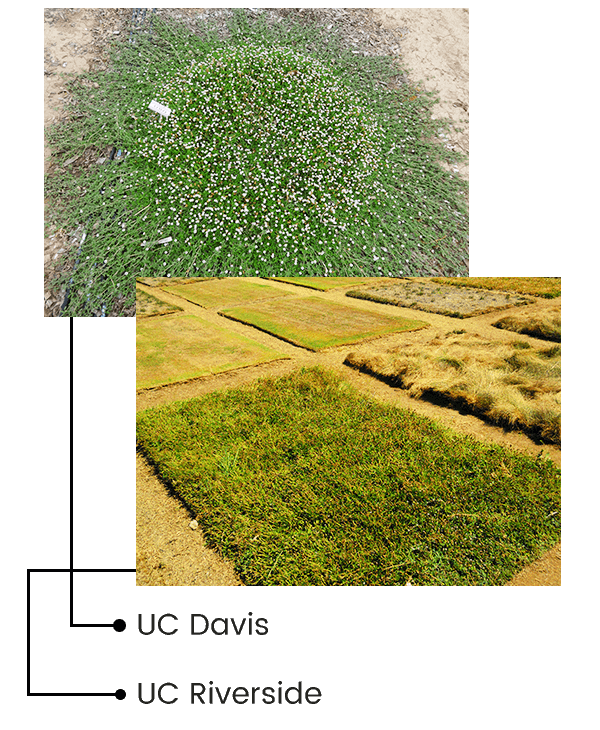
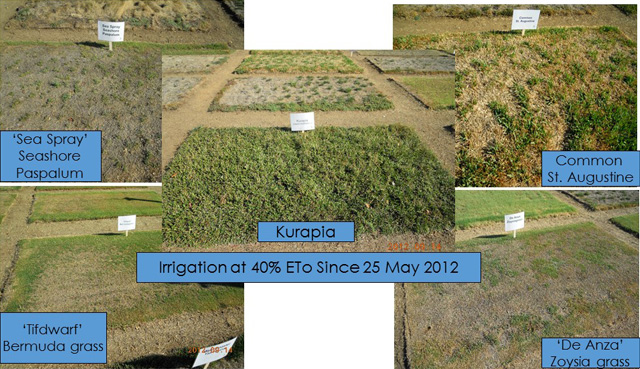
In 2015, UC Davis and UC ANR released a 2 year joint study, which recommended that Kurapia can be irrigated at 20% of ETo by drip irrigation once established. 2012 UC Riverside’s Under Extreme Deficit Irrigation Study showed that Kurapia outperformed other turfgrasses in both survivability and appearance at 40% of ETo by sprinkler irrigation.
Turf alternative
Low maintenance
Erosion control
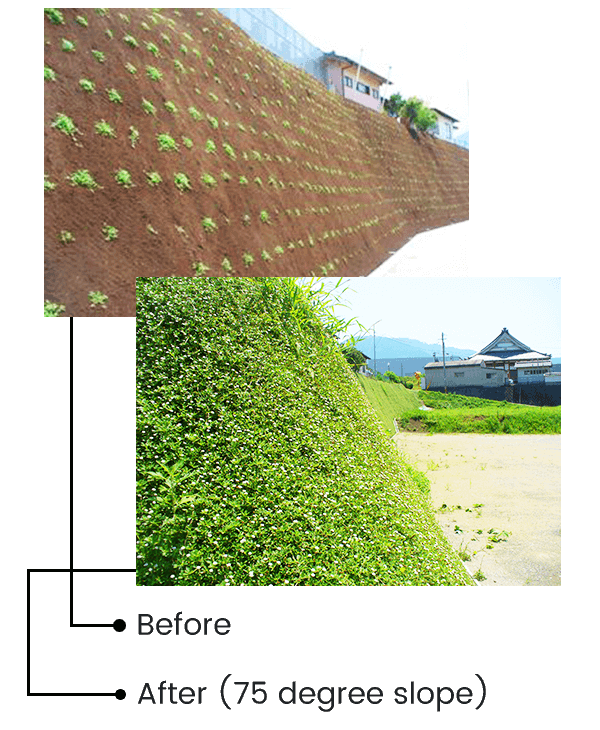
Kurapia has an extensive root system, and depending on the soil type it can reach a depth of 1 meter. This root system can be beneficial in reducing soil erosion and water runoff.
Effective weed control
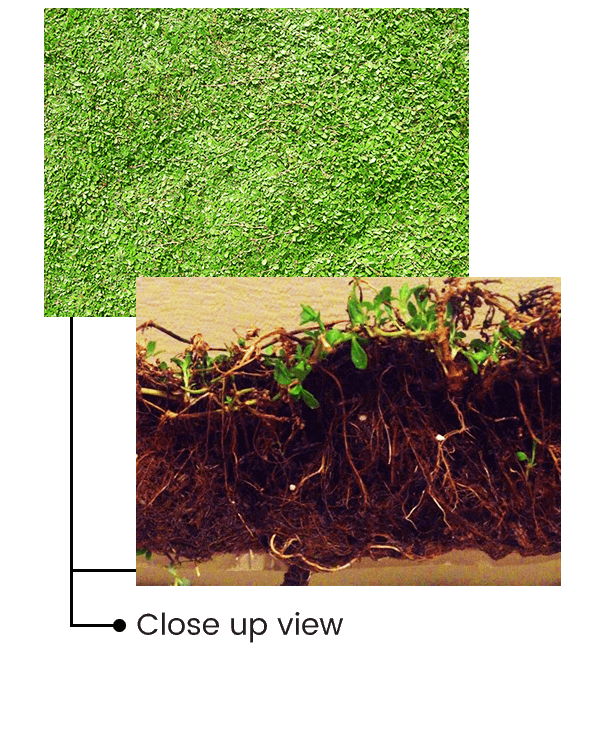
Evergreen
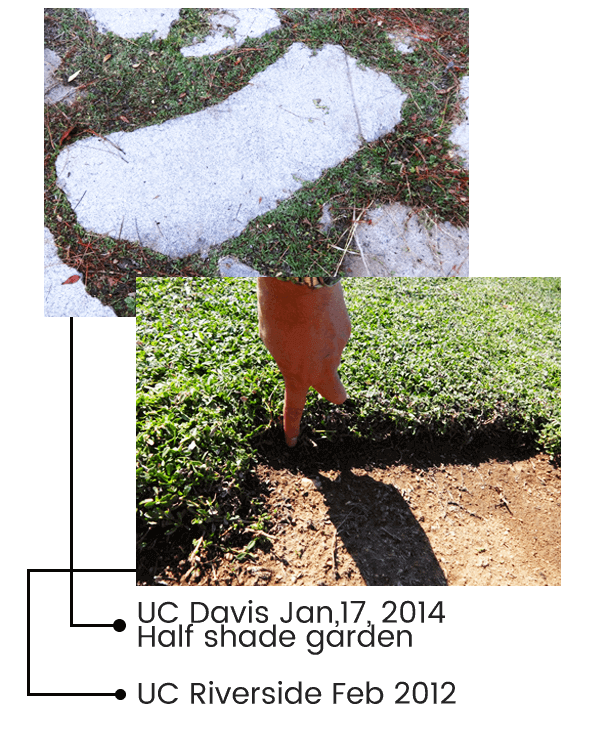
Foot Traffic
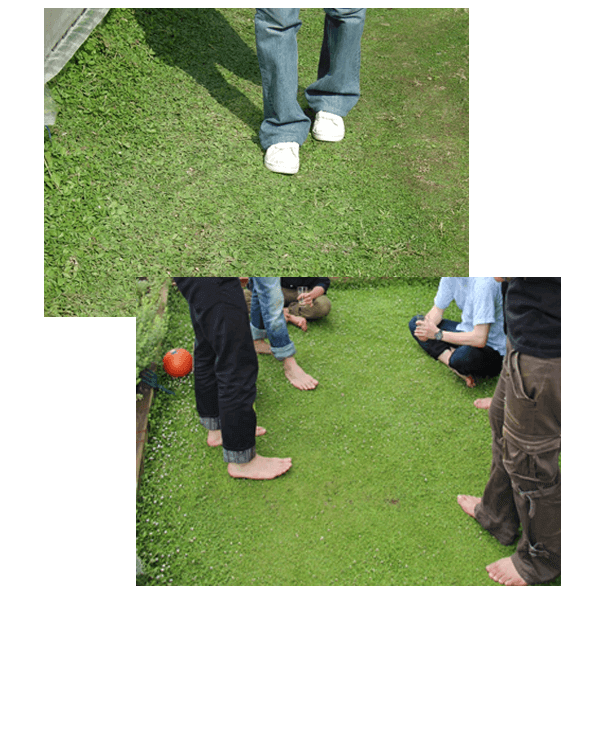
Tolerates wide range of pH &
high salinity
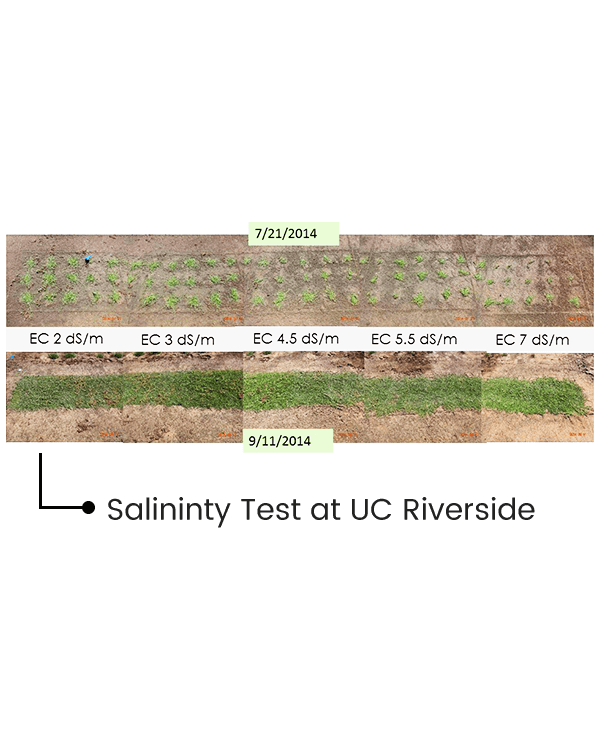
Kurapia grows well in both low and high pH soils, and also tolerates soils containing high salt concentration. Kurapia was quick to establish when irrigated with 2 and 3 ds/m, and was also the best performer with irrigation water with an EC of 7 ds/m.
Sterile
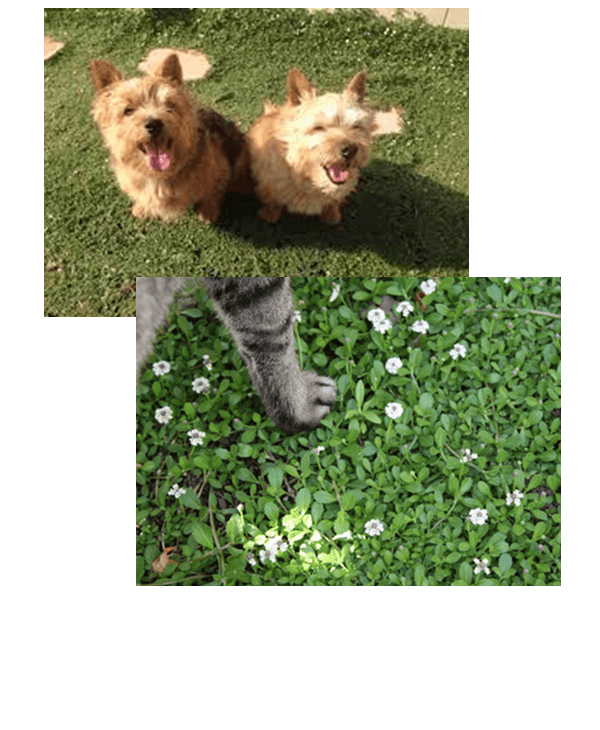
Pet Friendly
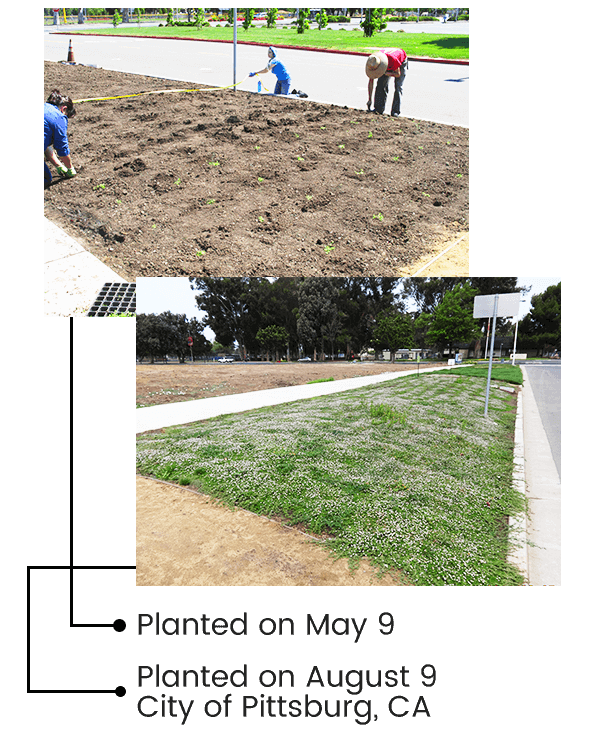
Rapid establishment
Long flowering season
Comparison
DEFICIT IRRIGRATION STUDY @UCR
Turfgrass & Landscape Reserarch Field Day at UC Riverside
To the right is a comparison of photos from the Deficit Irrigation Study at UC Riverside.
The deficit irrigation study began in May 2012. The photos were taken in September 2012, after 4 months of deficit irrigation.
The Kurapia maintained its green color throughout the period. Major warm season grasses widely known as drought tolerant including the Bermuda Grass, St. Augustine, Zoysia Grass and Seashore Paspalum were severely affected under the same conditions.
Difference from Native Phyla
Click to enlarge image
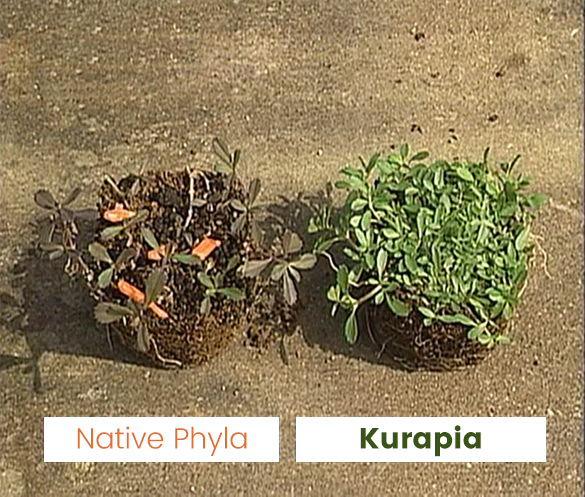
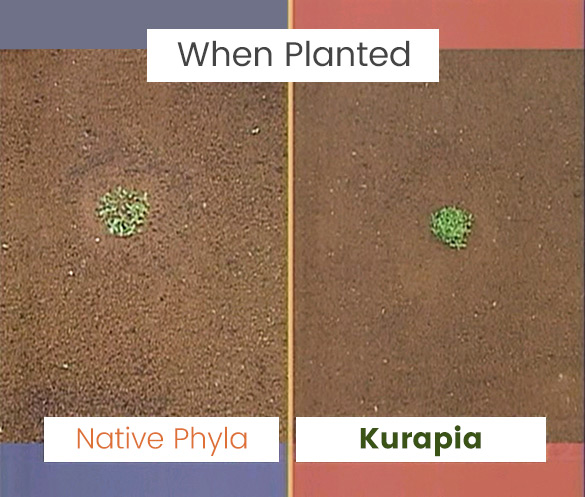
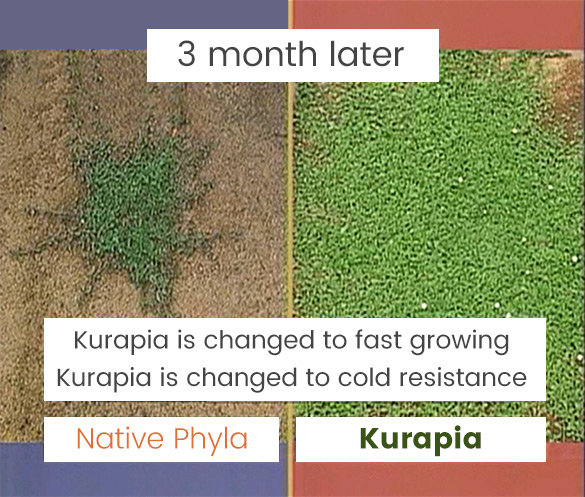
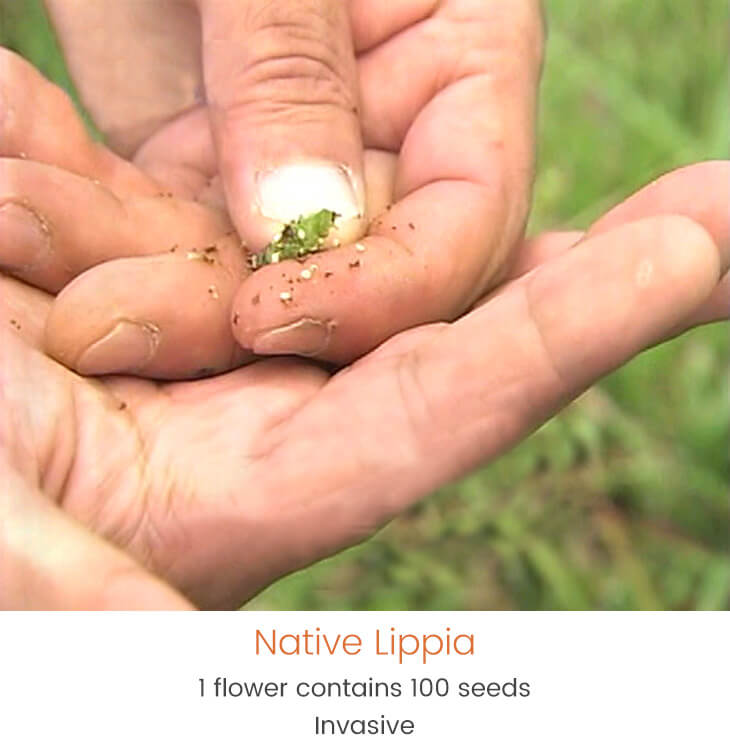
Native Phyla
1 flower contains 100 seeds
Invasive
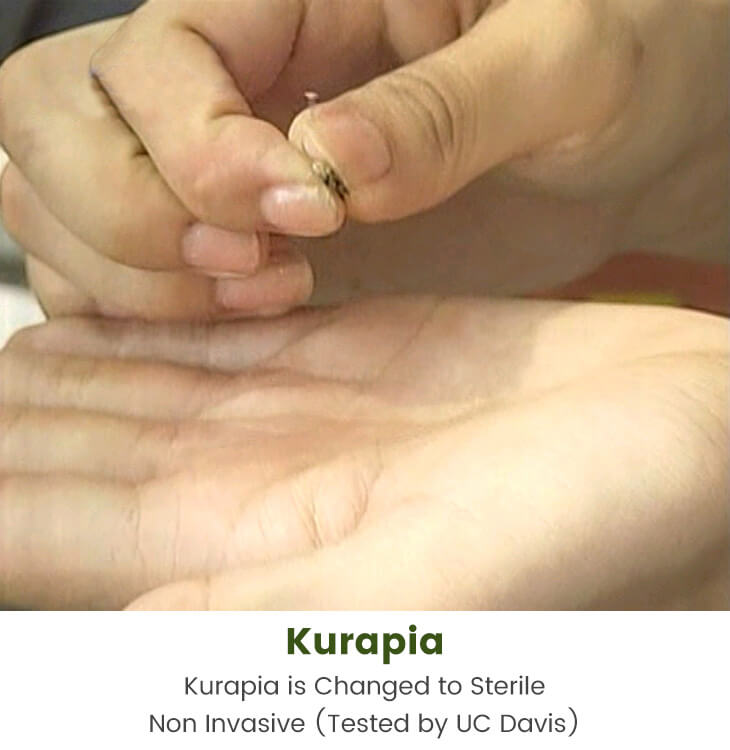
Kurapia
Kurapia is Changed to Sterile
Non Invasive (Tested by UC Davis)